Preparation changed the ceiling
Because a month of training came first, teams spent the day building instead of learning the basics. Students arrived able to read their own school’s electricity data and question what it showed them.
The CZITT-UNICEF AI Energy and Climate Hackathon brought young people together with real energy and weather data, AI tools and mentorship. This is where sponsors can see exactly what their support makes possible.
The first hackathon ran in June 2026, and it did not start on the day. It followed a month of educational training sessions delivered with CZITT, so students walked in already knowing how to read electricity data and put an AI tool to work. On the day, teams tackled real Caribbean energy challenges with mentors alongside them.
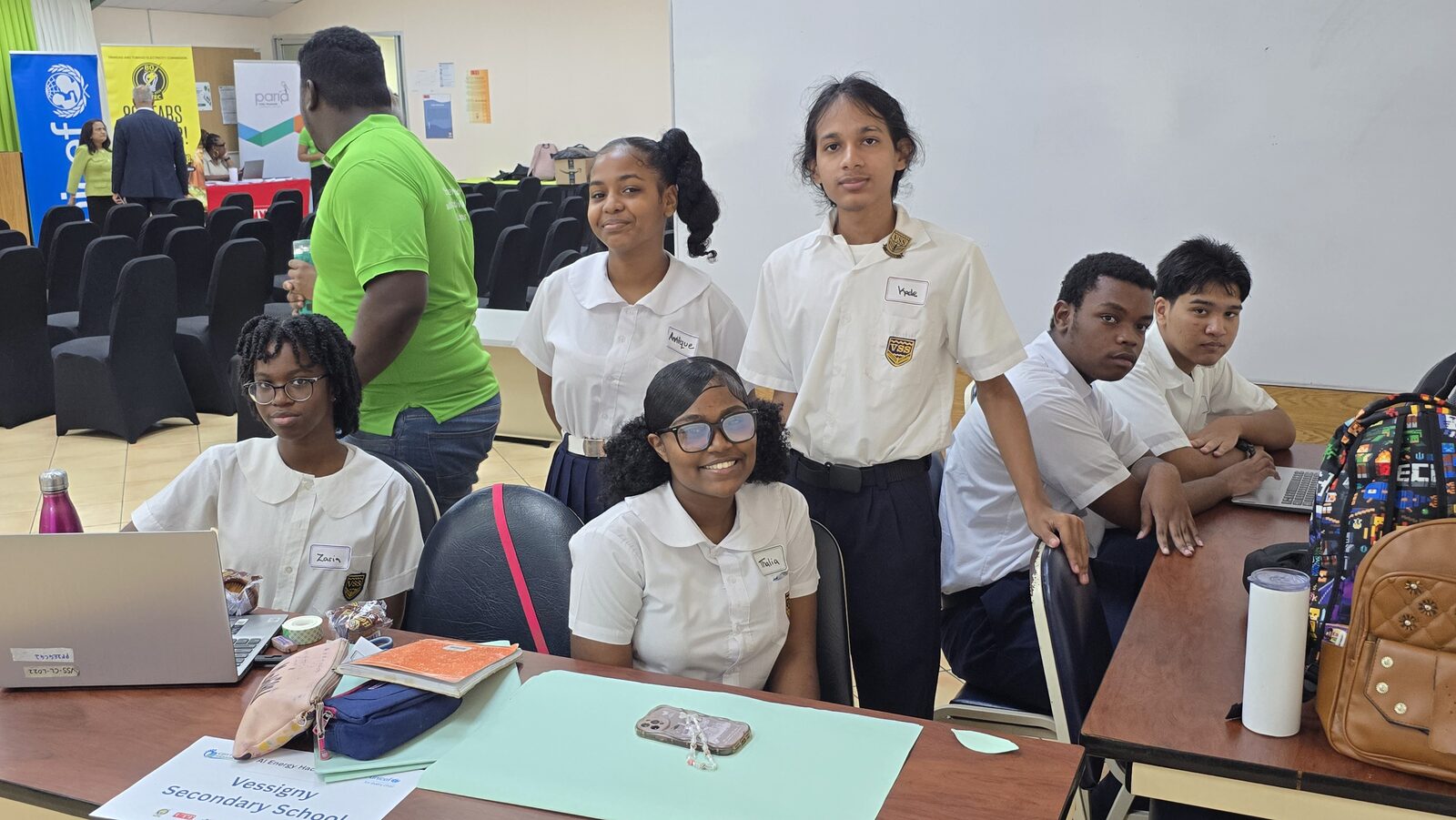
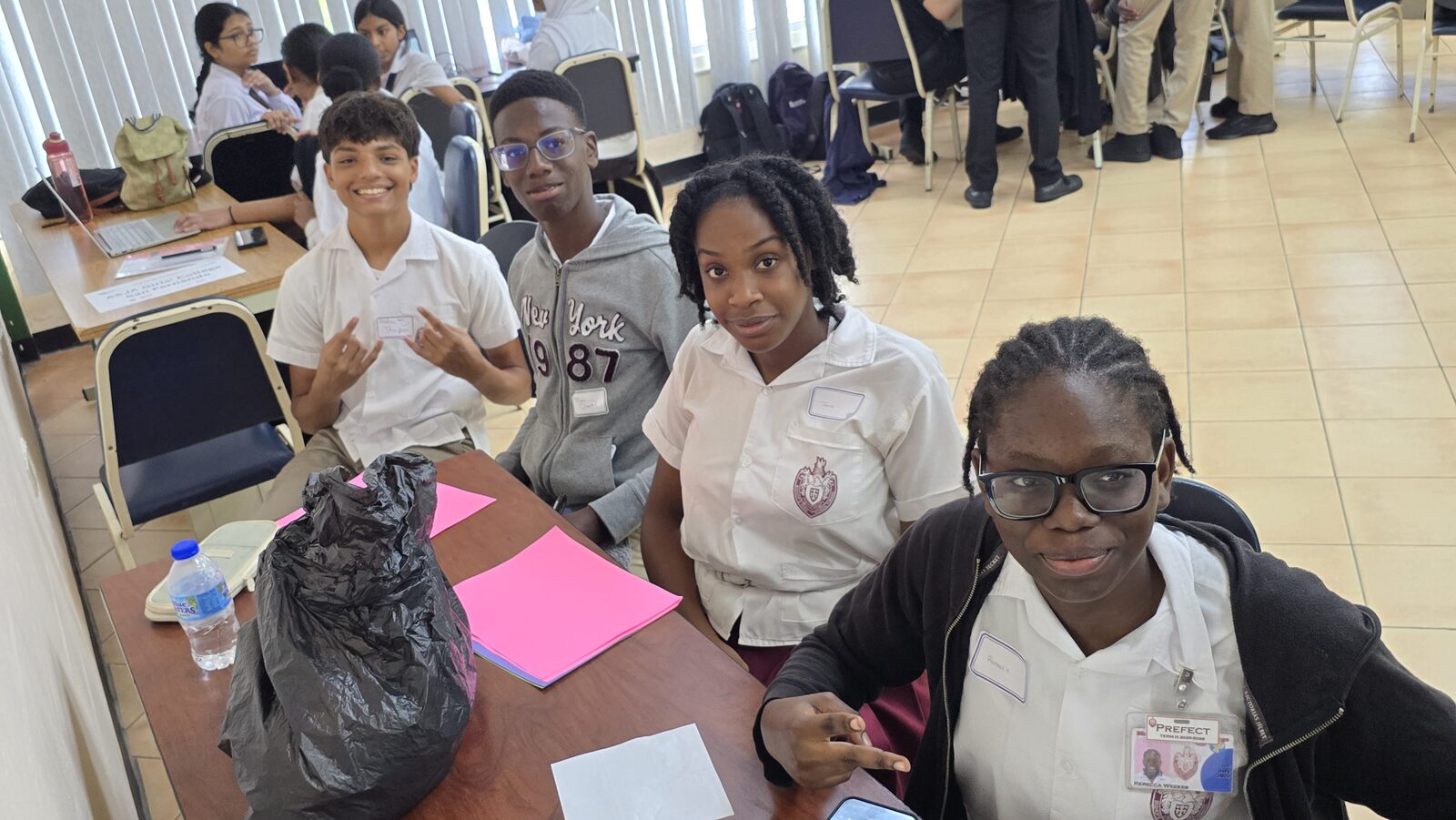
Fifteen mentorship sessions ran ahead of the event, covering AI and coding fundamentals, electricity fundamentals, energy and climate change, Trinidad and Tobago’s climate response, data analysis, women in climate leadership, youth climate action, and two full practice runs on real school electricity data. Participating schools included ASJA Girls’ College San Fernando, Couva East Secondary, Hillview College, Holy Cross College, NorthGate College, Vessigny Secondary and Bishop’s High School, Tobago.
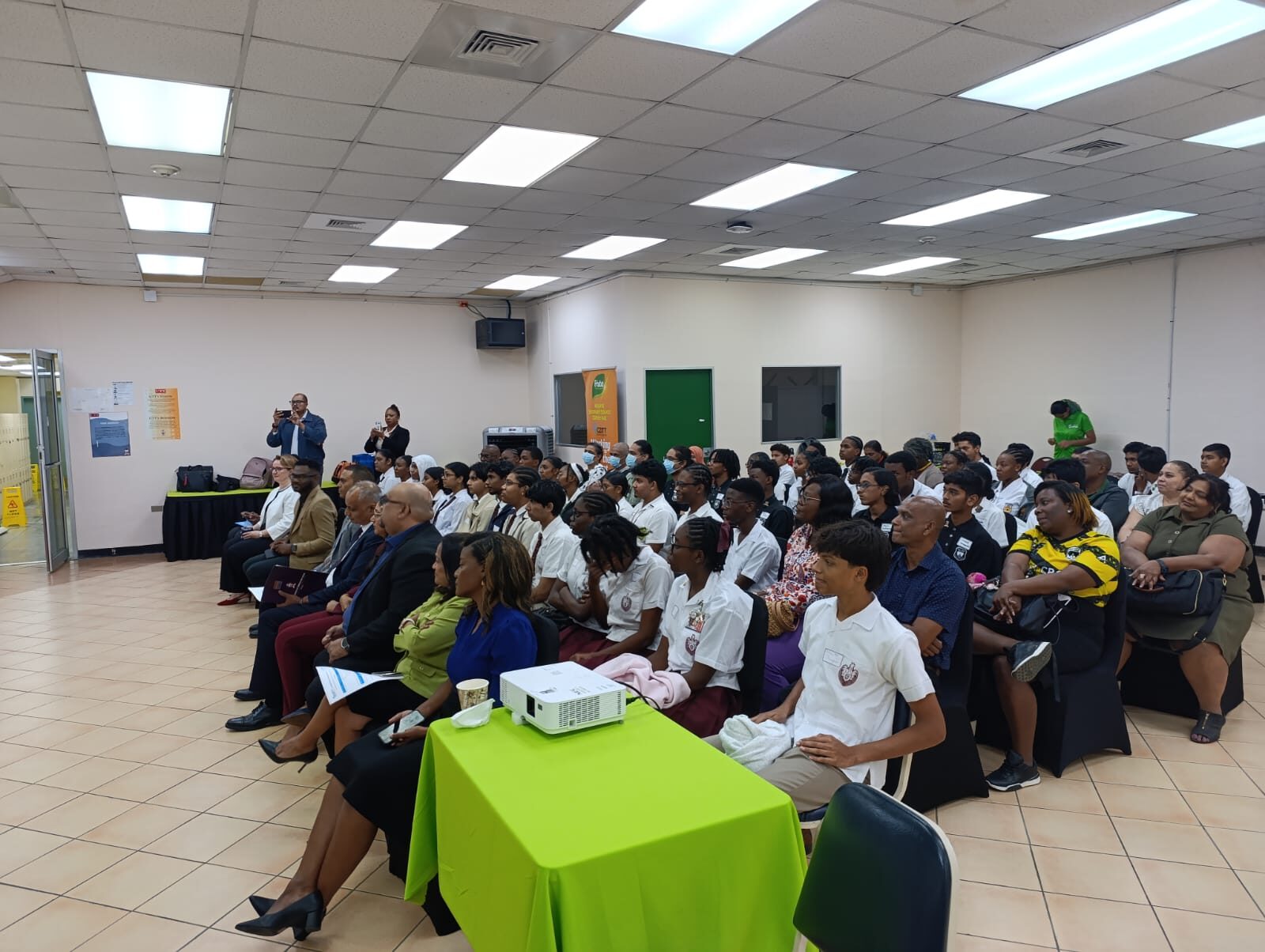
The AI Energy and Climate Hackathon was a landmark event, being the first instance in the Caribbean where secondary school students were given controlled access to their schools’ real electricity consumption data and tasked with using AI to generate carbon-reduction strategies for their schools.
The participants were chosen from the top performers in CZITT’s National Secondary Schools Climate Quiz Season III. Students participated in a 15-session online training and mentoring programme in energy literacy, climate change, AI prompting, data analysis, and teamwork and leadership skills, culminating in a live competition.
From the first CZITT-UNICEF AI Energy and Climate Hackathon on 12 June 2026, and the training that led up to it.
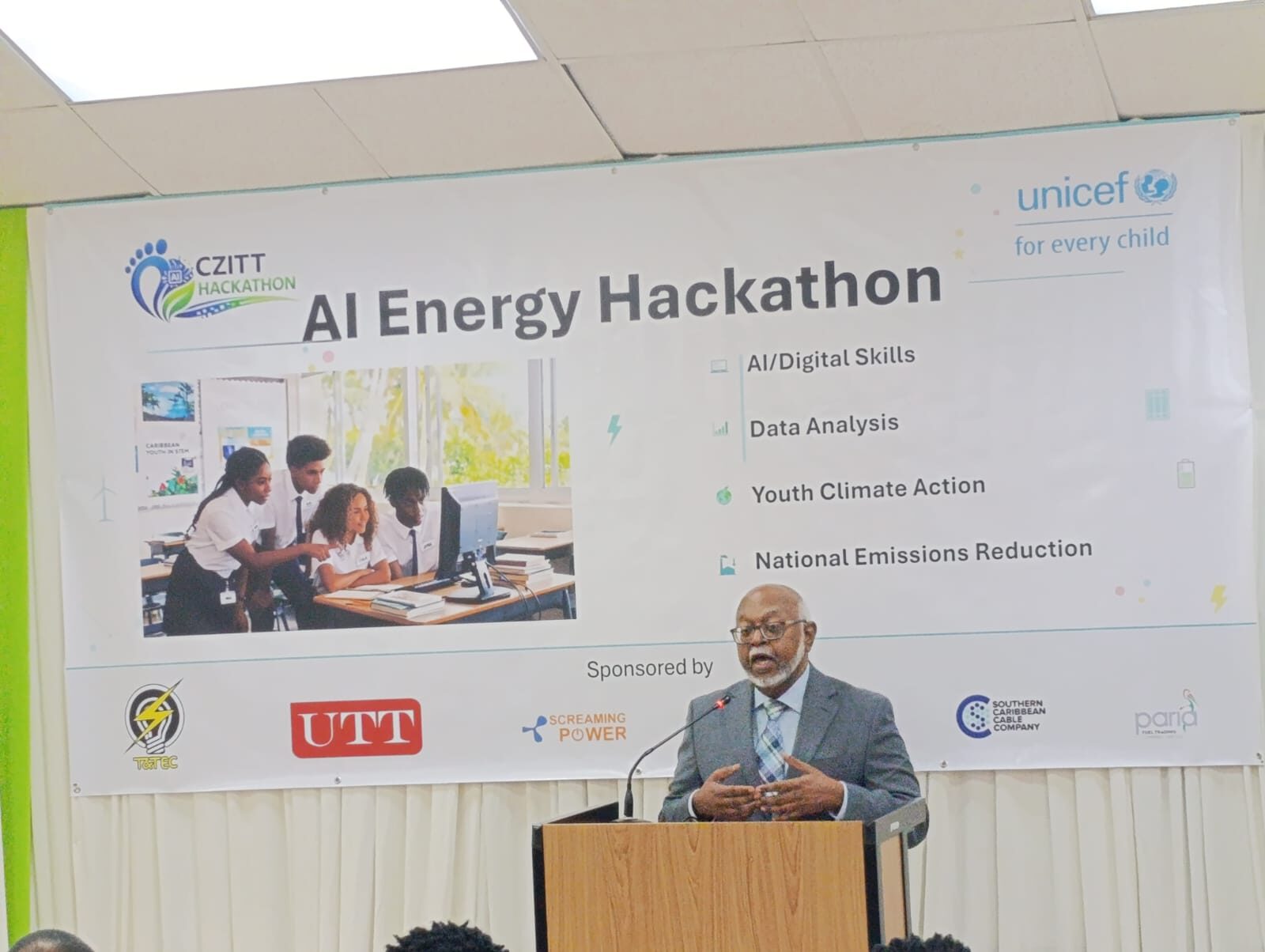
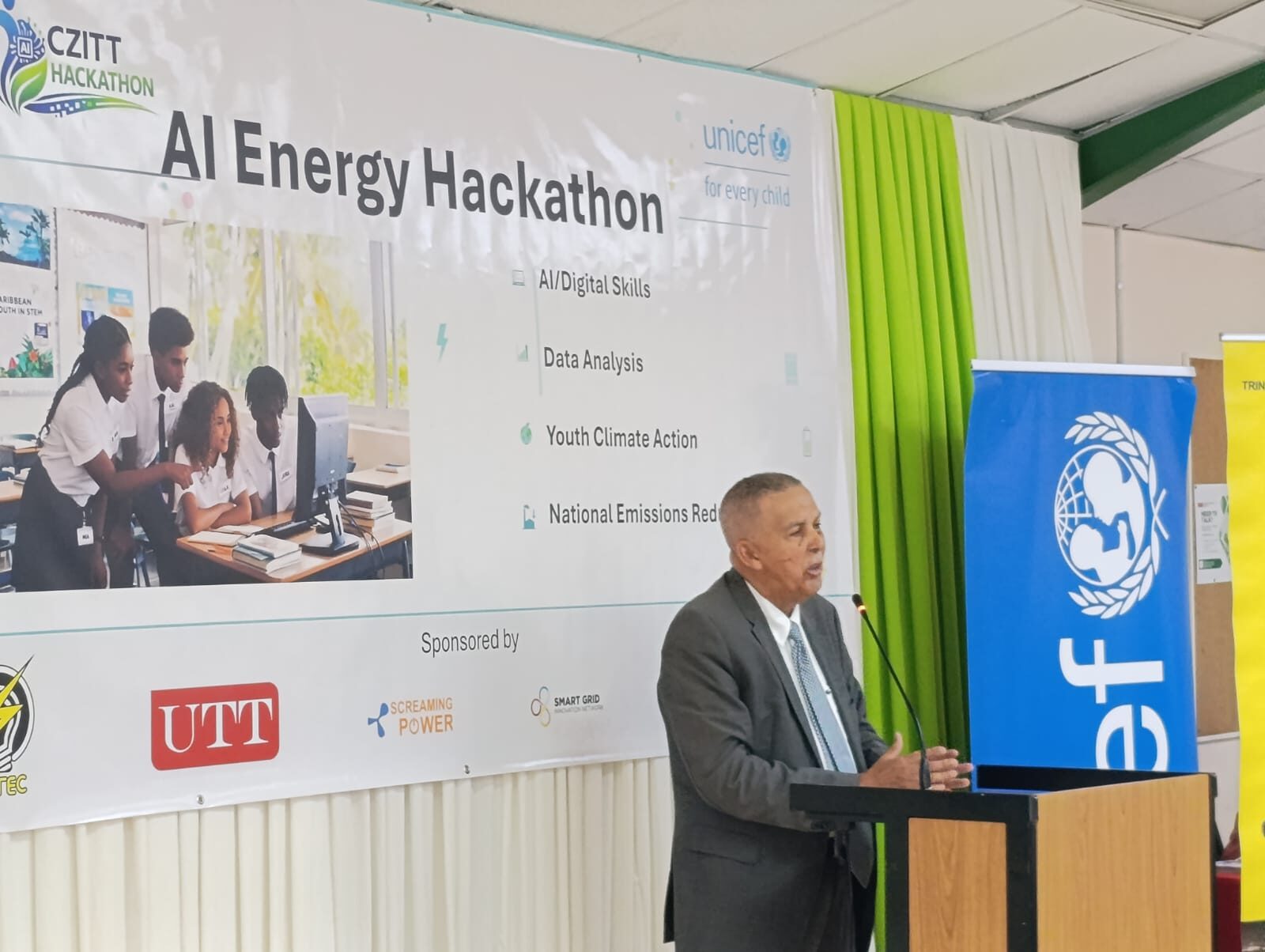
Students, mentors and guests at UTT Point Lisas.
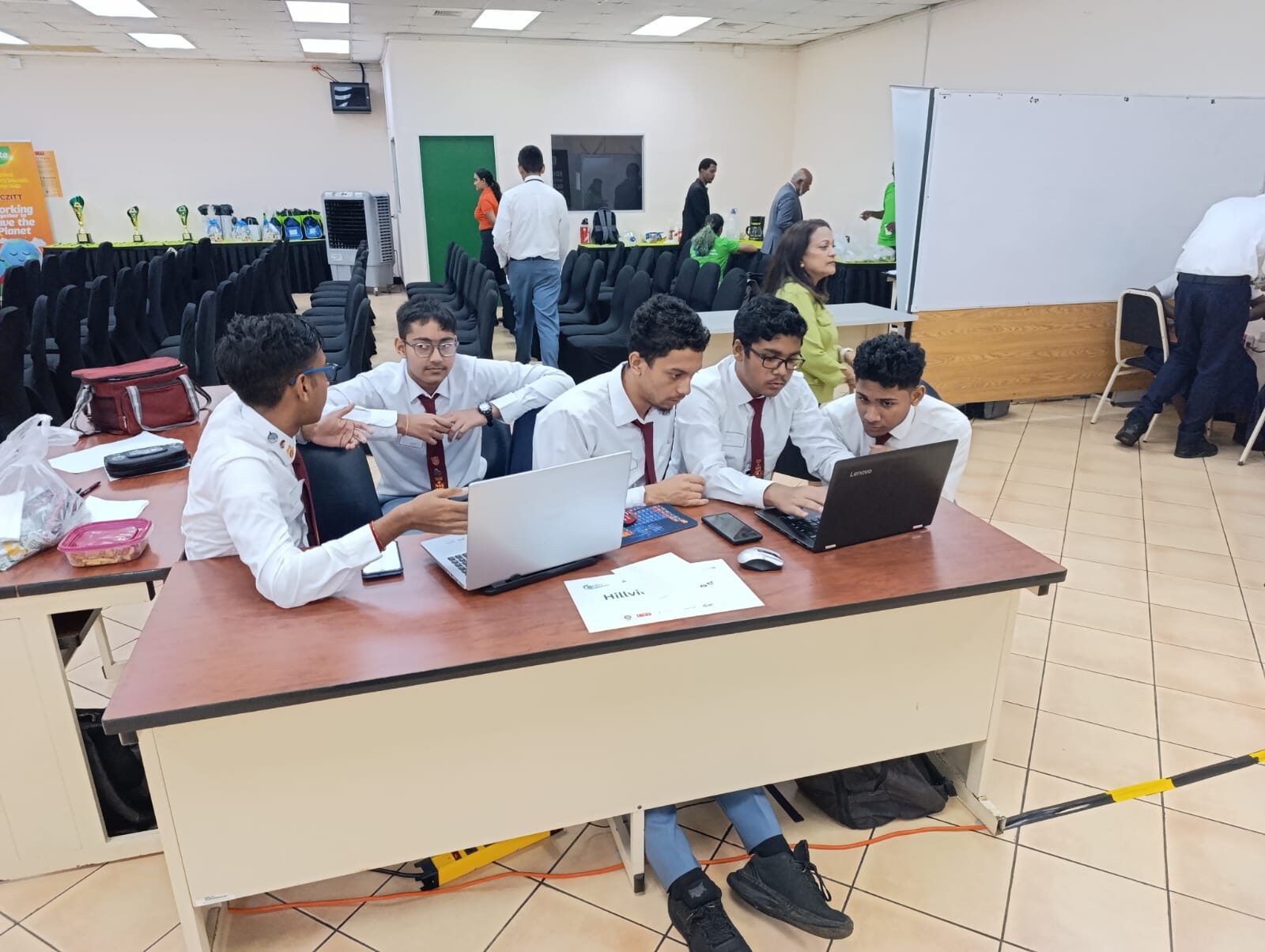
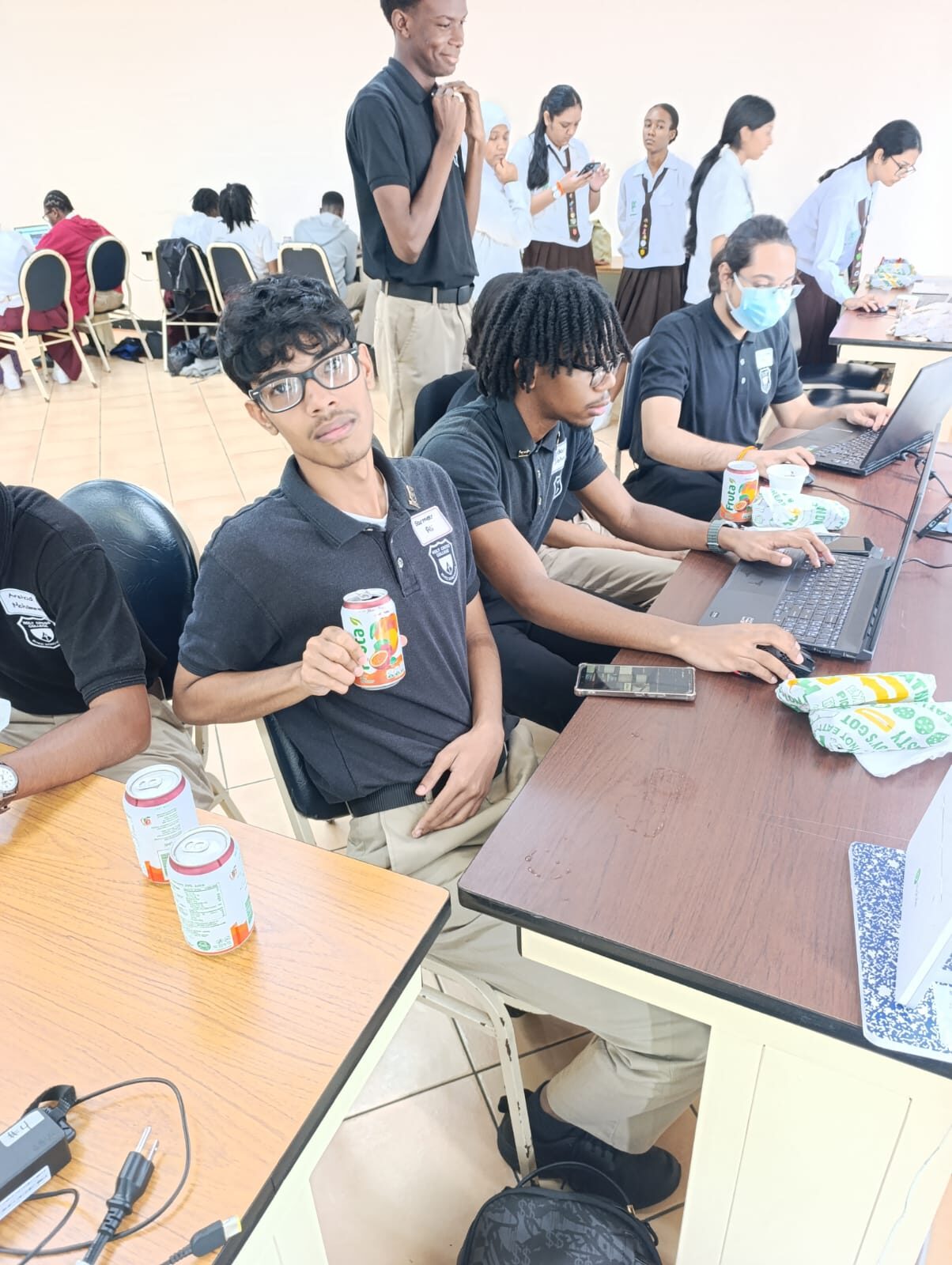
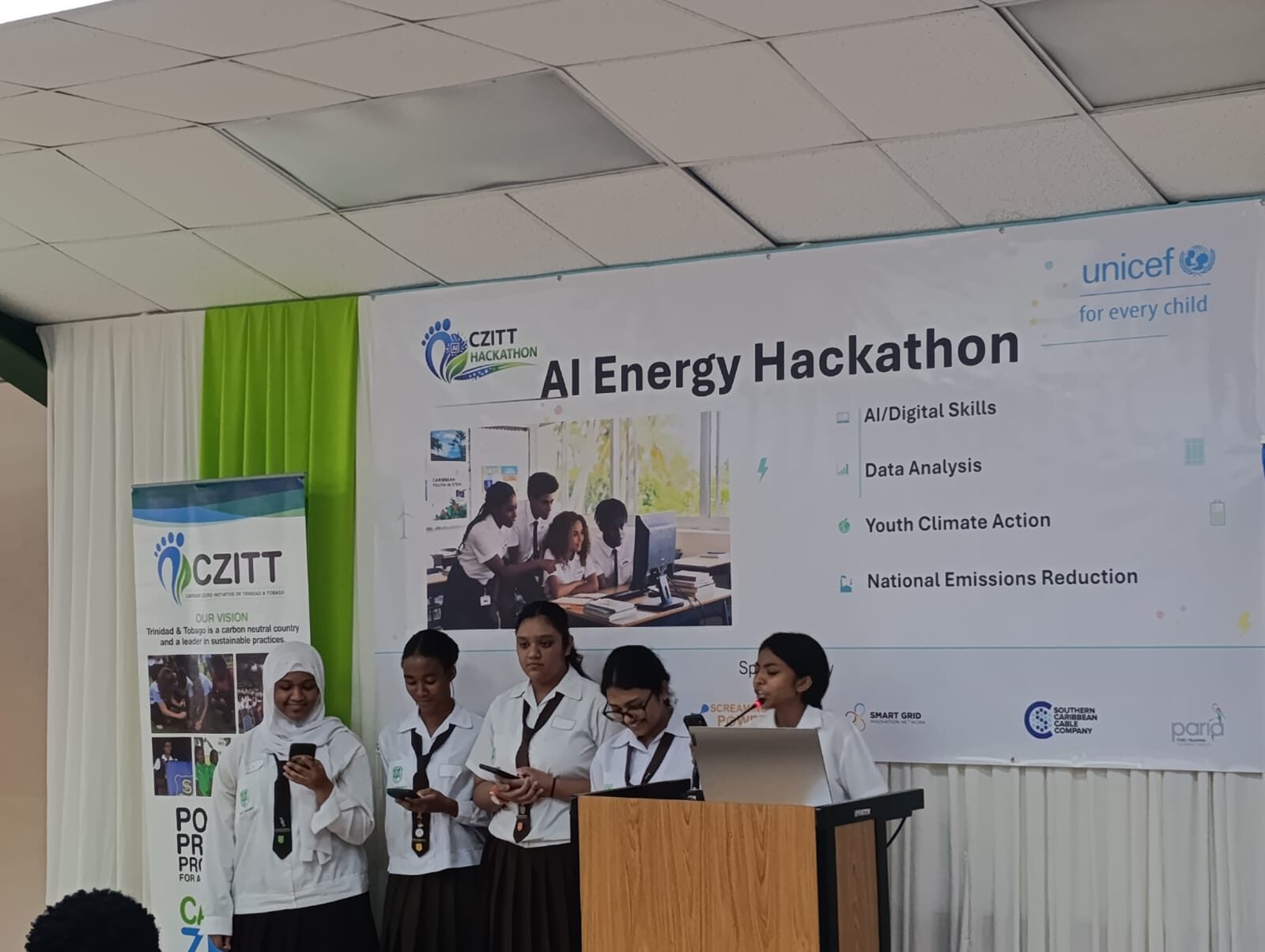
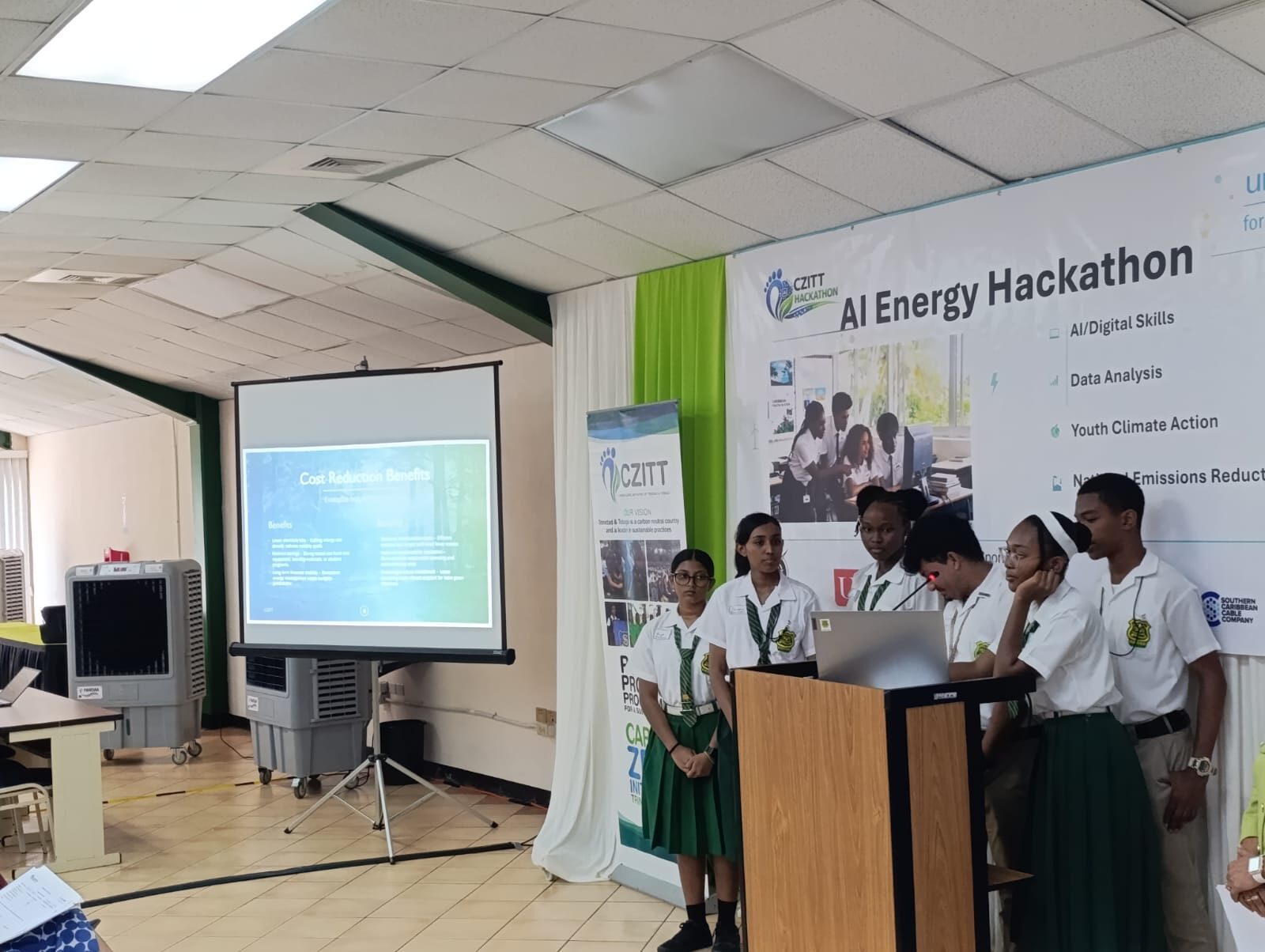
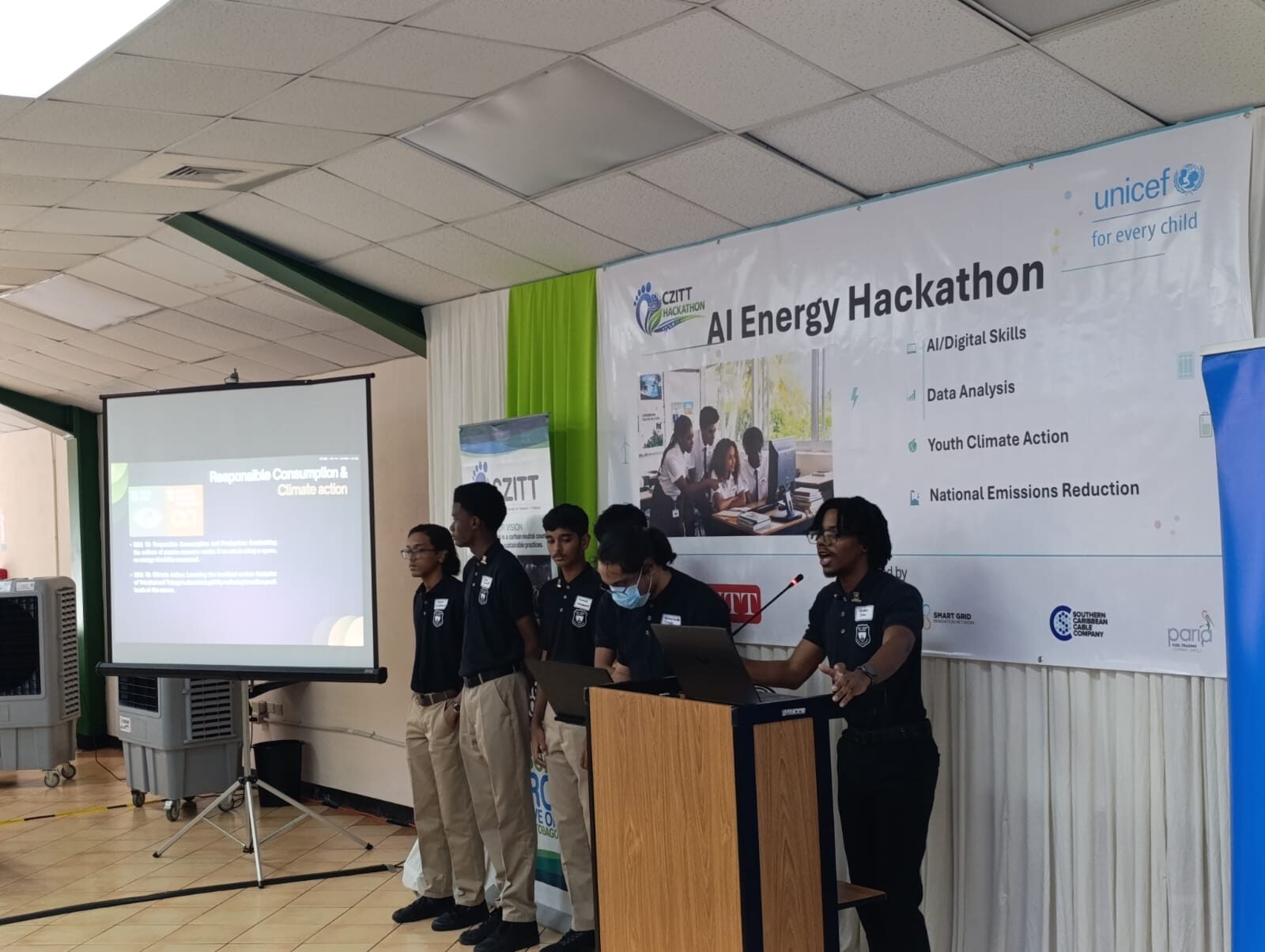
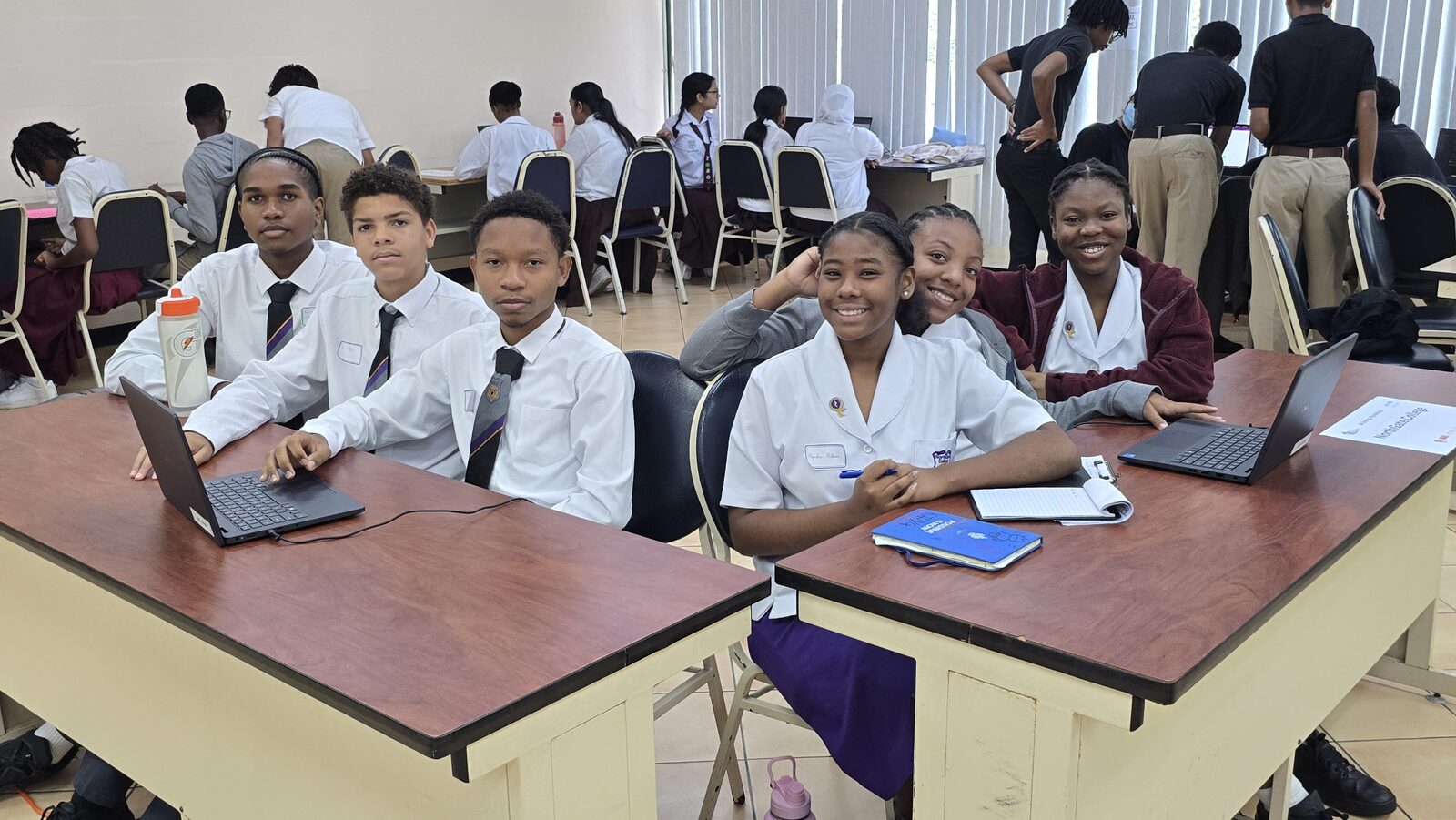
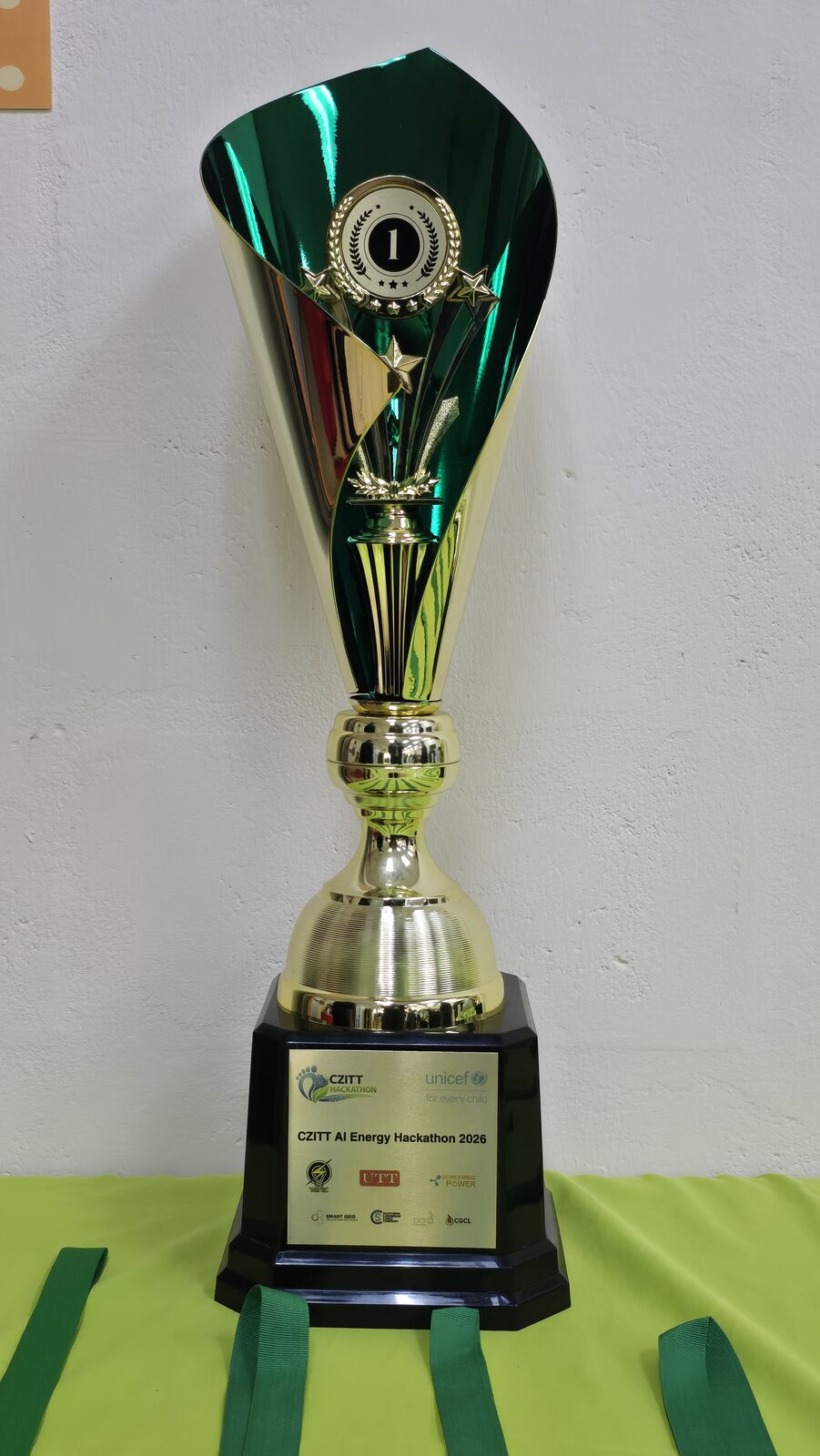
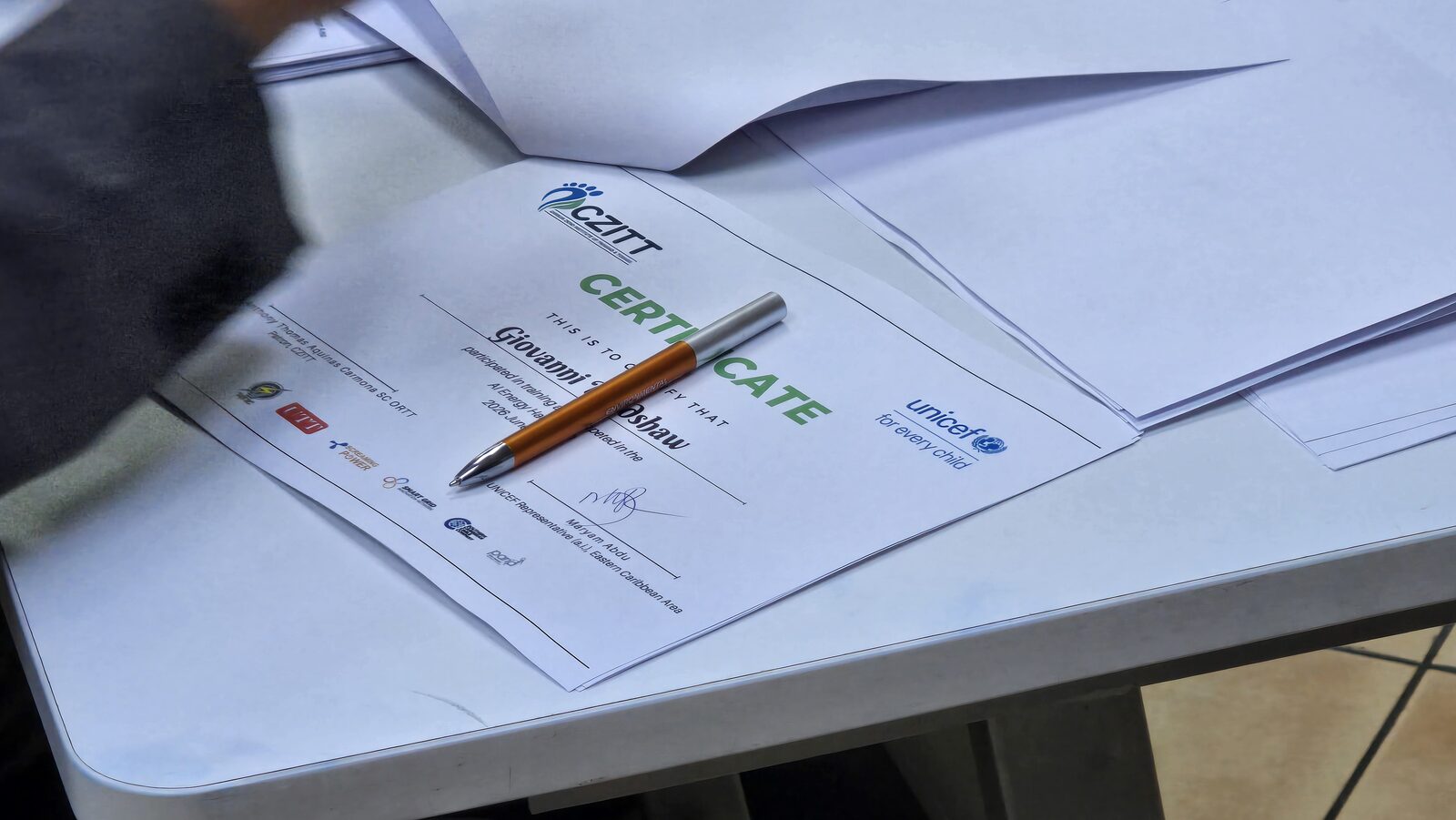
From weeks of training to build day at UTT Point Lisas, the complete story of the CZITT-UNICEF AI Energy and Climate Hackathon.
The full recap of the CZITT-UNICEF AI Energy and Climate Hackathon.
Three things the first hackathon showed us.
Because a month of training came first, teams spent the day building instead of learning the basics. Students arrived able to read their own school’s electricity data and question what it showed them.
The brief was deliberately practical: look at how your school actually uses electricity, then make an evidence-backed recommendation to the people who run it. Several teams did exactly that.
UTT hosted the event at Point Lisas under its MOU with CZITT, and senior leadership attended. That backing is what turns a one-off event into a pathway students can follow.
The Hackathon is an excellent example of what can be achieved when institutions work together to empower our youth and address national priorities.
Professor Rean Maharaj, Acting President, The University of Trinidad and Tobago
UTT press release, 12 June 2026 ↗
The point of starting in secondary school is that there is somewhere to go next. These are the stages we want a Caribbean student to be able to climb.
A month of CZITT training sessions on energy, climate, data and AI, open to students with no technical background.
The AI Energy and Climate Hackathon, where teams use real school electricity data to make an evidence-backed case to the people who run their school.
University-level innovation challenges and regional stages. TEDxUWI Caribbean at UWI St. Augustine in February 2027 runs a BRNSTRM Innovation Lab challenge open to UWI Engineering, Science and Technology students and Caribbean tech builders, with finalists presenting at the main event.
TEDxUWI Caribbean is an independently organised TED event. We mention it here as an example of where students can take this next, not as a partner of this programme.
Everything on this page happened because organisations chose to back it. The next hackathon builds on the same model: a month of training, then a day of building.